
LOCKERROOM is the Southeast’s leading athlete performance testing and event company. We’re proud to announce our upcoming integration with NCAA school compliance systems, making it easier for athletes to securely share verified performance data directly with college recruiters and coaches.
Lockerroom Insights / Student Athletes
· 3 min read
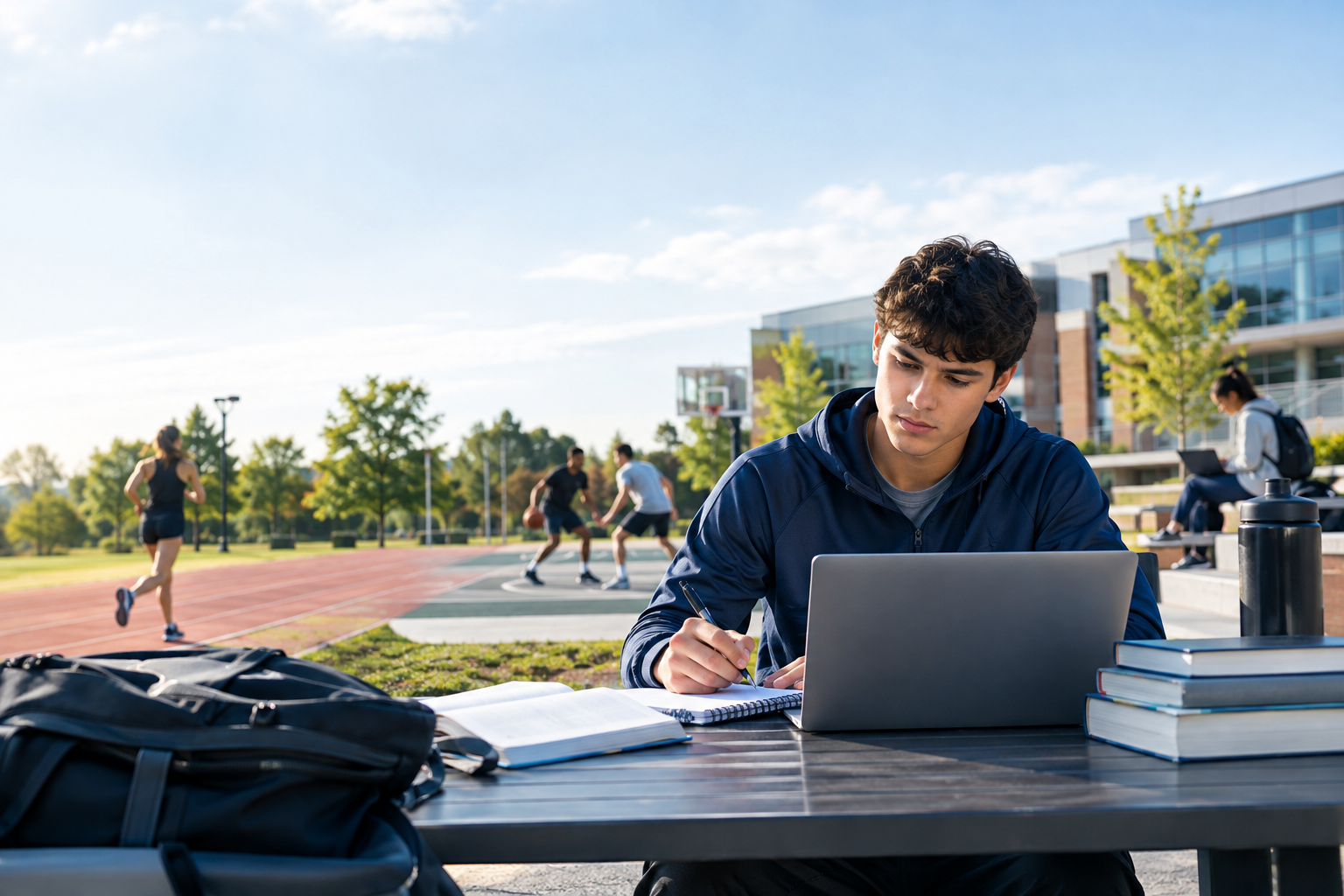
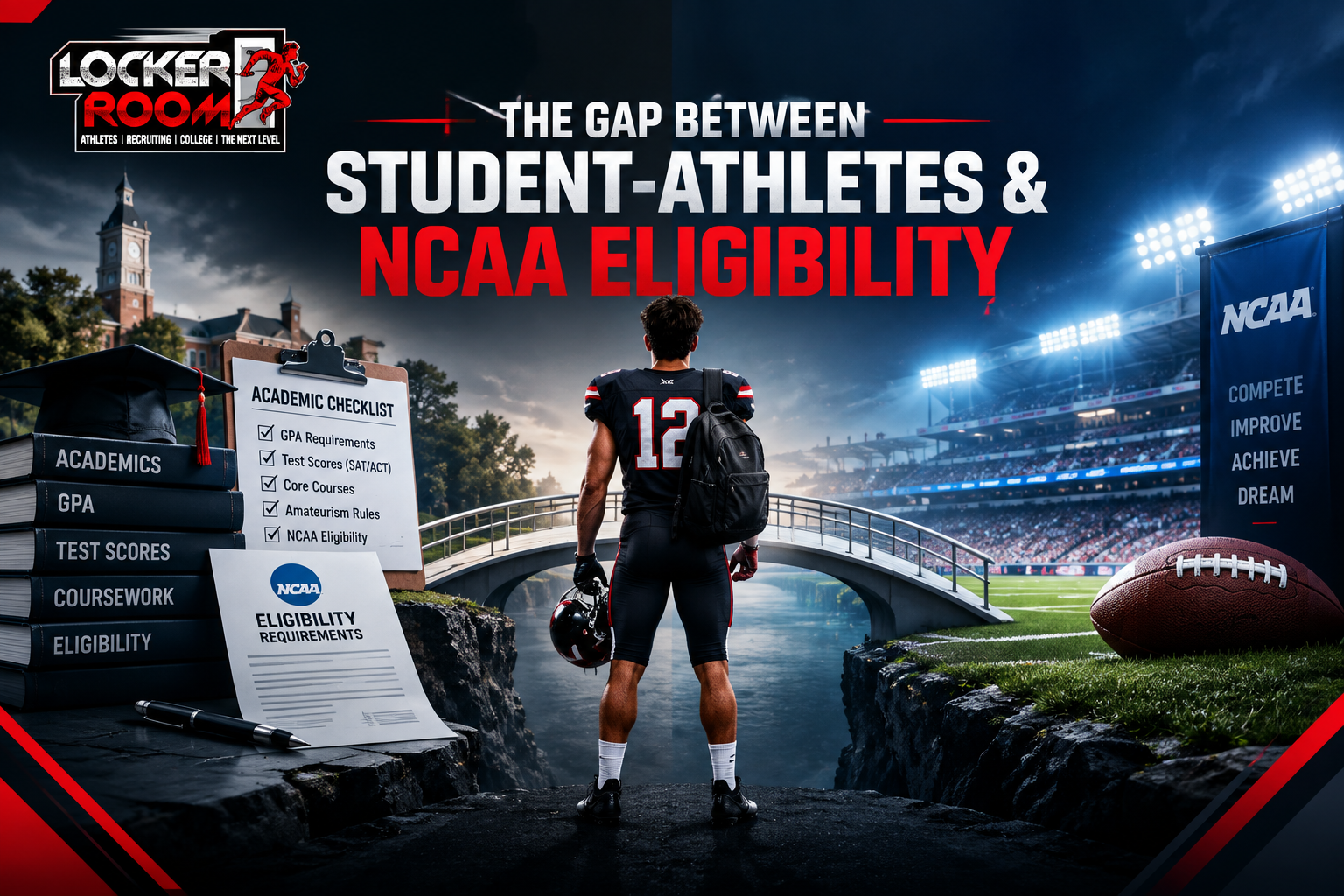
Student-athlete programs are designed to help students successfully balance academic responsibilities with athletic development. These programs can provide structured support, mentoring, training resources, academic guidance, and opportunities for personal growth. For students who want to pursue both education and competitive sports, a well-designed program can play an important role in their overall development.
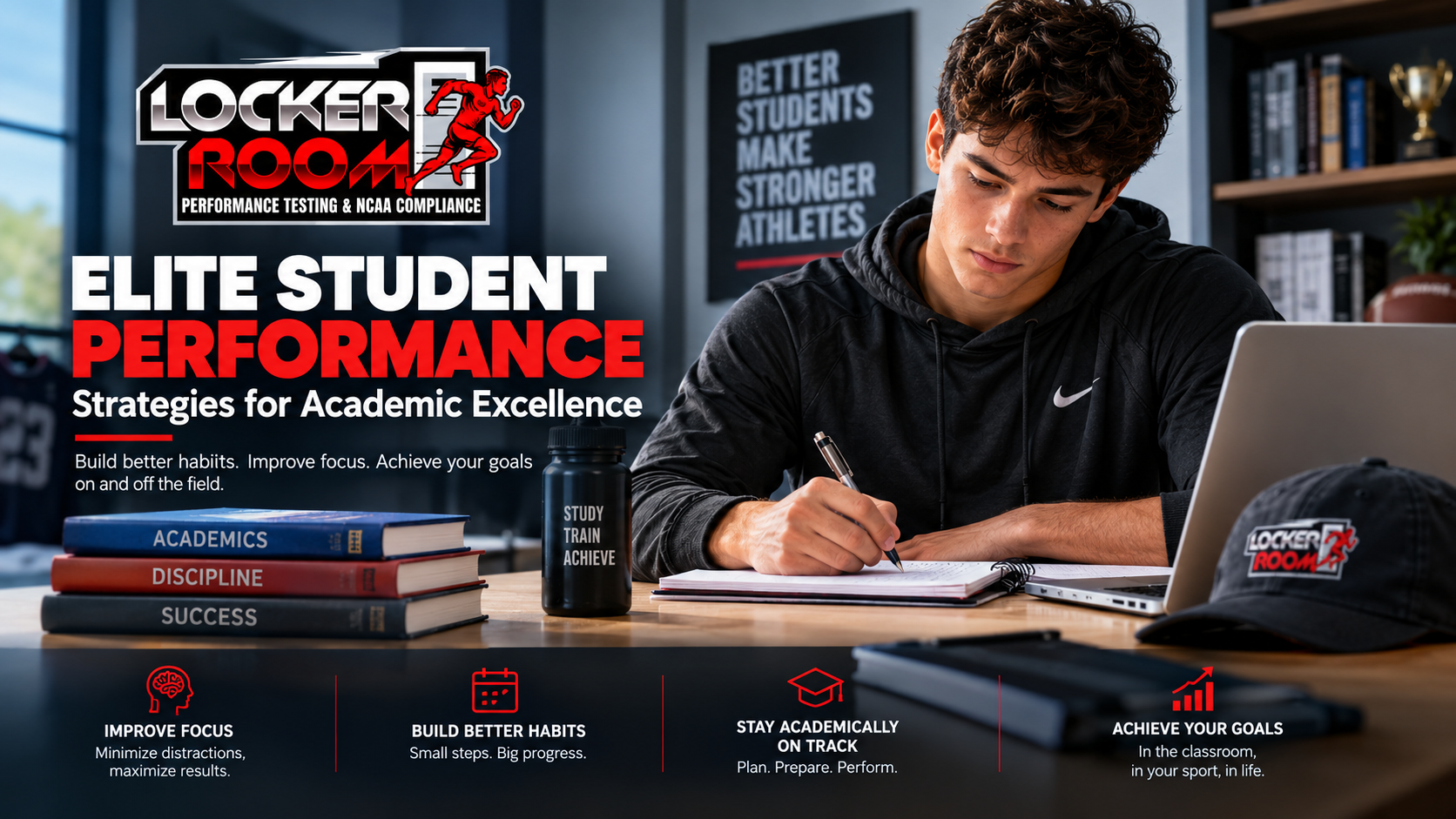
One of the primary benefits of student-athlete programs is academic assistance. Student-athletes often have demanding training and competition schedules, making time management especially important.Programs may provide:
This structure can help students stay focused on their educational goals while continuing to participate in sports.
Student-athletes need to manage classes, practices, competitions, assignments, travel, rest, and personal responsibilities. Student-athlete programs can teach practical time-management skills that are useful both in school and beyond.Learning how to prioritize tasks and create realistic schedules can help students become more organized and independent.
Student-athlete programs can provide access to coaching, training facilities, performance resources, and structured development plans. Depending on the program, students may receive support in areas such as:
These resources can help athletes develop their skills while maintaining a structured approach to training.
Sports naturally create opportunities to develop leadership and communication skills. Student-athlete programs can strengthen these qualities through team activities, mentoring, captaincy opportunities, community projects, and other leadership experiences.Students can learn how to communicate effectively, work toward shared goals, handle responsibility, and support teammates.
Participation in organized athletics can contribute to personal development. Students may develop qualities such as discipline, perseverance, accountability, confidence, and resilience.The experience of working toward long-term athletic and academic objectives can also help students understand the value of consistent effort.
Student-athlete programs can help students prepare for opportunities after high school. Academic planning, athletic development, mentoring, and career guidance can help students better understand their options.Depending on the program, support may include:
Students can therefore begin thinking about their future beyond their current season or competition schedule.
Having access to coaches, academic advisors, mentors, and other experienced professionals can give student-athletes additional guidance.A mentor can help students navigate challenges involving academics, athletics, relationships, leadership, and future planning. Regular communication with supportive adults can also encourage students to establish realistic goals.
A comprehensive student-athlete program can emphasize healthy habits alongside athletic performance. Students may receive education about nutrition, hydration, sleep, recovery, injury prevention, and responsible training.A balanced approach can help students understand that athletic development involves more than simply spending additional hours practicing.
Student-athlete programs can create opportunities for students to build friendships and professional relationships. Being part of a team or athletic community can encourage collaboration and a sense of belonging.These relationships can become valuable sources of encouragement throughout a student's academic and athletic journey.
The most effective student-athlete programs recognize that students have identities and goals beyond their sport. Academic achievement, athletic participation, personal development, career planning, and social experiences can all contribute to a balanced educational experience.Rather than treating athletics and academics as competing priorities, student-athlete programs can help students develop strategies for managing both.
Student-athlete programs can offer much more than sports training. Through academic support, athletic development, mentoring, leadership opportunities, wellness education, and career preparation, these programs can help students build skills that extend beyond competition.A strong student-athlete experience combines education, athletics, personal development, and future planning, giving students a structured environment in which they can work toward their academic and athletic goals while preparing for life after sports.
September 11, 2026